
Gadgets and Tech
6 min read
A Smarter Way to Support Sleep, Focus, and Everyday Calm
April 04 , 2026
By Natasha Dixon
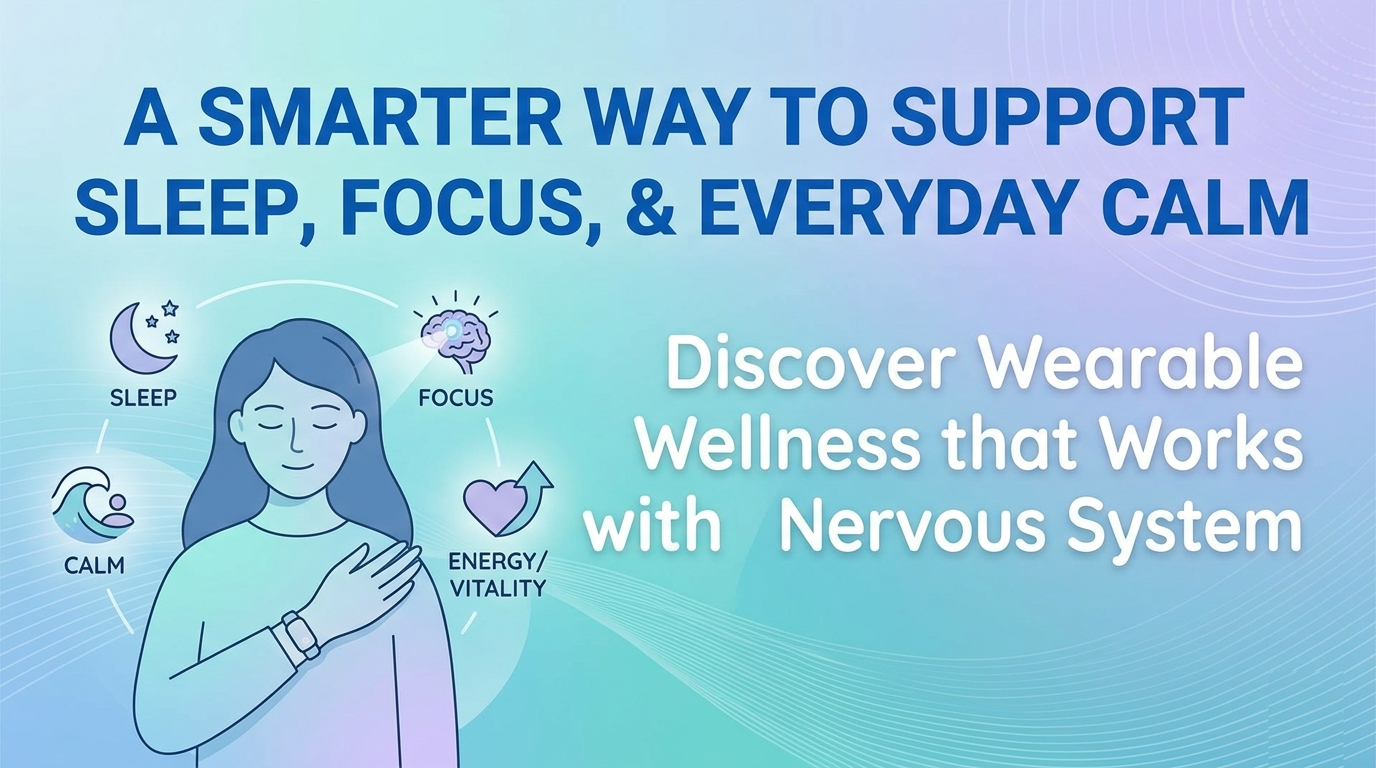
The wearable wellness devices have outpaced the steps or exercises by a long distance.
The wearable wellness devices have outpaced the steps or exercises by a long distance. Nowadays, consumers seek products that can help them sleep better, remain composed in stressful situations, and maintain a steady level of energy throughout the day. Rather than relying solely on apps or meditation programs, the latest wearable device focuses on the nervous system's response to daily life. The devices are made to operate in the background. Instead of making users constantly watch screens or go through long procedures, they use subtle signals and smart changes to help the body get into a calmer, more balanced position. Some models focus mainly on supporting meditation, and others that monitor sleep patterns or recovery levels. A smaller team aims to achieve all this simultaneously through monitoring, feedback, and automated adjustments. This guide will examine the comparison of the modern wellness wearables in the key aspects of sleep improvement, mood support, focus, energy levels, and real-time responsiveness. The idea is straightforward: to know what is useful in a device's day-to-day life.
The Significance Of Nervous System Support
Most of the population believes that only discipline can help one get better sleep or concentrate better. Though habits are noteworthy, the nervous system plays a huge role in how we feel, think, and recover. If stress levels are maintained, the body stays on alert. This may result in sleep deprivation, reduced concentration, mood changes, and low energy. Wearable wellness solutions are designed to elicit this response in a gentle way. Rather than imposing relaxation, they stimulate the body to move naturally towards relaxation. Most of the more recent ones have soft vibration or sensory patterns, and these devices interact with the nervous system by touch. These designs are meant to be non-distracting. In the long term, they can help users relax more quickly when under stress or when going to sleep.
Sleep Tracking Vs Sleep Improvement
Sleep tracking has become a trend, but it does not necessarily lead to better rest. Many devices can display sleep duration, movement, or heart rate patterns. But more is needed, as it could be improved through observation. There are other sophisticated wearables designed to assist with sleep, rather than merely monitor it. They can use occupations timed before sleep or towards the end of the day to help the body relax or minimize night disruptions. Calming signals are commonly used before sleep and have been reported to help people fall asleep faster. Wake-up prevention is another essential option. Rather than responding to sleep disruption, some devices aim to keep the body in deeper sleep by stabilizing the body's response to stress levels overnight. This distinction is important, as continuous sleep contributes more to recovery than the number of hours alone.
Vitality And Performance In A Day
The absence of sleep does not necessarily cause low energy. The nervous system may not be able to handle mental strain, constant notifications, and work pressure. This causes even restful fatigue. There are wearable devices that contain programs for use during the day. Such sessions can help users remain calm and alert at the same time. It is not the concept of sedition but equilibrium. A mild form of sensory stimulation would help prevent spikes and crashes that most people experience every day. Users tend to experience greater consistency than motivated surge breaks. It is easier to begin, and the attention lasts longer.
Cardiac Vital Signs And Cardiac Recovery
Heart Rate Variability (HRV) has become a significant indicator of recovery and stress preparedness. An increase in HRV tends to indicate a greater balance between relaxation and stress responses. Other wellness devices purport to aid in enhancing HRV by promoting a calmer nervous system. The device can show the body how to perform breathing exercises without asking the user to engage in them personally every time they are stressed, by giving the body gentle, automatic hints about the activity. In the long run, better HRV could be associated with better emotional regulation, quicker responses to stress, and enhanced resilience during hectic times. Although not all equipment is dedicated to this field, the equipment that is will typically provide feedback in the form of a measurement rather than a passive tracker.
Focus And Mental Clarity
It has also become very hard to maintain concentration in environments full of interruptions. Many people try productivity apps, timers, or background sounds, but the problem of mental exhaustion persists. Wearable wellness devices do so differently. They do not focus on tasks; rather, they focus on stabilizing the body's internal state. Attention usually occurs naturally when the nervous system balance is enhanced, and stress is reduced. Other appliances have concentration sessions that can be used during working or study time. These sessions would offer delicate patterns of stimulation aimed at maintaining users in a calm yet attentive state. Since the signals are not visual or auditory, they do not contribute to screen fatigue or distractions.
Meditation Assistance With No Additional Effort
Meditation is highly prescribed in mental health, yet newcomers have difficulty trying to practice it regularly. Being seated, thinking, and focusing may be challenging, particularly in stressful situations. Some wearables fill this gap by automatically assisting with relaxation. The device does not involve a perfect meditation technique; rather, it creates a sense of relaxation that helps the body relax initially. When physical tension is lower, meditation usually becomes easier. Some devices offer guided meditation sessions, while others simply promote relaxation as people undertake their daily tasks. This will help users gain even when they do not set aside specific time to meditate. This is the greatest benefit: accessibility.
The existence of wearable wellness technology represents a shift in people's attitudes towards the close intertwining of mental and physical health. Newer devices do not require an individual to check themselves or follow rigid regimens constantly; rather, they work directly with the body, providing subtle sensual guidance and smart corrections. The most significant change is between observation and action. The previous machines were primarily concerned with reporting. Contemporary wellness gadgets aim to improve results by aiding relaxation, enhancing sleep quality, stabilizing mood, and helping the mind stay focused throughout the day. These devices are always easy to use due to features such as real-time response, adaptive personalization, and ease of operation. When support runs in the background, it is likely to remain until users notice significant changes. The other important thing to note is that a particular feature does not characterize effectiveness.
live smarter
Shop smarter, live better, and stay ahead of the trends with our reliable recommendations!



Gadgets and Tech
6 min read
How to Choose the Right Laser Engraving Machine for Your Projects or Business


trending
Home and Garden
6 min read
How to Choose the Right Futon Mattress for Your Home
Fashion
6 min read
How to Choose the Right Engagement Ring and Jewelry
Gadgets and Tech
6 min read
How to Choose the Right Tech and Gaming Equipment
Health and Beauty
6 min read
How to Choose the Best Baby Stroller for Your Family’s Lifestyle
Fitness and Sports
6 min read
How to Choose the Right Scuba Diving Gear for Your Underwater Adventures
Travel
6 min read
Make Your Overlanding Adventure More Enjoyable by Adding These Tested Accessories
N/A
7 min read