
Health and Beauty
7 min read
How to Support Hair and Scalp Health With Zuma Shampoo, Zuma Supplements, and Acupuncture
October 24 , 2026
By Ethan Carter
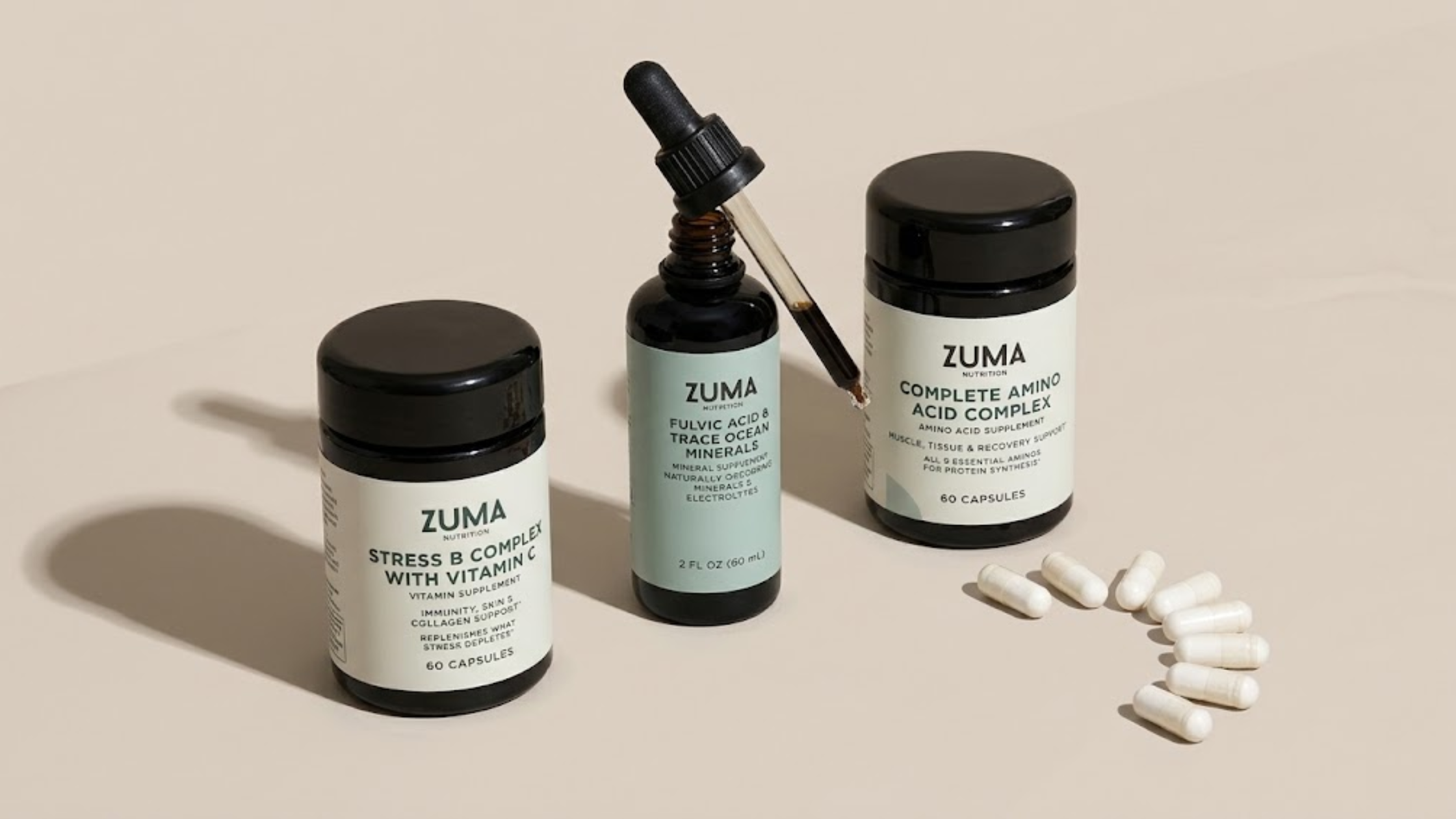
Discover how Zuma shampoo, Zuma supplements, balanced nutrition, and acupuncture can complement a hair care routine focused on scalp health and overall wellness.
Hair and scalp concerns can frustrate you, especially when your usual products stop delivering expected results. Dryness, thinning, irritation, and excessive shedding can affect your confidence and daily routine. Fortunately, understanding the causes helps you choose a more effective approach to hair and scalp care.Many people focus on shampoo alone and overlook nutrition, stress management, and other factors affecting hair health. A balanced routine can address these concerns more thoughtfully. Combining suitable hair care products, healthy habits, and professional guidance may help you maintain a healthier scalp.Options such as zuma shampoo, zuma supplements, and acupuncture can complement a broader wellness routine, depending on your needs. The key is understanding each approach and choosing solutions that support your long-term goals.
Understanding Common Hair and Scalp Problems
Hair problems can develop gradually or appear unexpectedly. Identifying your primary concern helps you determine which solutions deserve attention.
Dryness and Scalp Irritation
Harsh cleansing products, frequent washing, environmental exposure, or skin conditions can cause scalp dryness and discomfort. Some shampoos remove too much natural oil, leaving your scalp feeling tight and uncomfortable.Choose a gentle shampoo suited to your hair type to maintain cleanliness without unnecessary irritation. However, persistent itching, redness, or flaking may require professional evaluation instead of simply switching products.
Hair Thinning and Excessive Shedding
Noticing more hair in your brush or shower can feel worrying. Stress, hormonal changes, nutritional deficiencies, illness, medications, or inherited conditions may contribute to excessive shedding.Changing your shampoo may improve scalp comfort, but shampoo alone generally cannot address every cause of hair loss. Understanding the underlying issue is essential before investing in expensive treatments or supplements.
Weak, Dull, or Difficult-to-Manage Hair
Frequent heat styling, chemical treatments, rough brushing, and inadequate conditioning can cause breakage. Damaged hair may appear thinner, even when the follicles continue producing hair normally.A consistent routine that minimizes damage can improve manageability and help protect existing strands.
What Causes Hair and Scalp Concerns?
Several factors can influence your hair and scalp condition. Understanding them makes it easier to select appropriate products and lifestyle adjustments.
- Nutrition plays an important role. Hair follicles require adequate protein, iron, zinc, and other nutrients for normal growth. Insufficient intake or certain deficiencies may contribute to shedding, although supplements only help when they address a genuine need.
- Stress can also affect hair growth. Significant physical or emotional stress may trigger temporary shedding, sometimes several months after the initial event. Managing stress supports overall well-being, but hair recovery depends on the underlying cause.
- Your hair care habits matter, too. Excessive heat, tight hairstyles, aggressive brushing, and unsuitable products can contribute to breakage or irritation.
Finally, medical conditions and hormonal changes can affect hair growth. Persistent or sudden hair loss deserves medical assessment because cosmetic products cannot treat every underlying condition.
Practical Ways to Improve Your Hair Care Routine
You do not need an elaborate collection of products to build a useful routine. Start with simple, consistent habits.
1. Choose Shampoo That Suits Your Scalp
Select a shampoo based on your scalp condition and hair type. If your scalp feels dry, consider a gentle cleanser. If oiliness concerns you most, choose a formula designed to remove excess oil without causing irritation.When evaluating zuma shampoo, review the ingredient list, intended use, and directions before incorporating it into your routine. Choose products that address your specific needs rather than relying on marketing claims alone.Avoid washing too aggressively or using excessively hot water. If a product causes burning, persistent itching, or redness, discontinue use and seek advice when necessary.
2. Support Your Hair Through Balanced Nutrition
A varied diet containing adequate protein, vegetables, fruit, whole grains, and healthy fats supports general health. Nutrient-rich foods provide many building blocks your body needs for normal hair growth.Zuma supplements may interest people looking to complement their existing wellness routines. However, examine the supplement facts panel, ingredient quantities, and recommended serving before purchasing.Supplements should not replace a balanced diet or appropriate medical care. Consider testing for suspected deficiencies with a healthcare professional, and avoid taking high doses of nutrients without guidance.
3. Reduce Everyday Hair Damage
Small changes can help protect your hair from preventable breakage.
- Limit heat styling and use a suitable heat protectant when necessary.
- Avoid hairstyles that repeatedly pull tightly on your hair.
- Detangle gently, especially when your hair is wet.
- Condition your hair according to its texture and needs.
- Maintain a consistent routine instead of frequently changing products.
These habits supputine around three priorities: appropriate scalp cleansing, adequate nutrition, and sustainable liort hair manageability and reduce avoidable damage, although they cannot reverse every form of hair loss.
4. Explore Stress Management Options
Stress management can complement your hair care routine, particularly when demanding schedules affect sleep, nutrition, or overall well-being.
Regular physical activity, adequate sleep, breathing exercises, and relaxing hobbies can help you manage everyday stress. Some people also explore acupuncture as part of their wellness practices.Acupuncture involves inserting thin needles at specific points on the body. Some people use it for pain management or relaxation, depending on their circumstances. However, strong clinical evidence that acupuncture directly treats hair loss remains limited.
If you choose acupuncture, consult a qualified practitioner who follows appropriate hygiene and safety standards. Treat it as a complementary option rather than a proven replacement for diagnosing and treating hair loss.
Why Consider a More Structured Hair and Wellness Routine?
Trying random products can waste money without addressing your actual concerns. A more structured approach helps you evaluate what works and identify when professional support becomes necessary.For example, Zuma Nutrition US offers a brand reference point for people researching wellness products and supplements. Before choosing any product, confirm its current ingredients, intended purpose, suitability, and available evidence.
You can build a rofestyle habits. Depending on your needs, zuma shampoo may fit your cleansing routine, while zuma supplements may be worth evaluating for specific nutritional goals.Meanwhile, acupuncture may complement your broader wellness practices if you find it helpful and understand its limitations.This approach ensures that each choice serves a clear purpose. Rather than expecting one product or treatment to solve every problem, you can make informed decisions based on your symptoms, preferences, and professional advice.
How to Choose the Right Products for Your Needs
Before spending money on premium hair care or wellness products, ask yourself a few important questions.
-
What problem am I trying to address? Dryness, breakage, nutritional deficiencies, and follicular hair loss require different approaches.
-
Are the claims supported by evidence? Look for clear ingredient information and realistic explanations of potential benefits.
-
Is the product appropriate for me? Consider allergies, medications, existing health conditions, and professional recommendations.
-
Can I evaluate the results? Track changes in scalp comfort, breakage, and shedding over time rather than relying on memory alone.
Zuma Nutrition US can be one option to research when comparing relevant wellness products. Nevertheless, evaluate individual formulations carefully and avoid assuming that a brand name guarantees effectiveness.If hair loss develops suddenly, occurs in patches, or accompanies scalp pain, inflammation, or other symptoms, consult a healthcare professional promptly. Early assessment can help identify treatable causes and prevent unnecessary spending on unsuitable products.
Conclusion: Make Smarter Choices for Hair and Scalp Health
Improving hair and scalp health begins with understanding the problem rather than purchasing every product promising better results. Gentle cleansing, balanced nutrition, reduced hair damage, and effective stress management provide a practical foundation.Products such as zuma shampoo and zuma supplements may fit certain routines when their ingredients and intended uses align with your needs. Acupuncture may support selected wellness goals, although evidence for treating hair loss directly remains insufficient.Ultimately, the best approach combines realistic expectations with consistent habits and appropriate professional guidance. Research your options, evaluate product claims carefully, and choose solutions that make sense for your individual circumstances. With a thoughtful routine, you can take more confident steps toward maintaining healthy hair and scalp care.
live smarter
Shop smarter, live better, and stay ahead of the trends with our reliable recommendations!



Fitness and Sports
7 min read
How to Improve Workout Performance With the Right Supplements and Nutrition


trending
Travel
7 min read
EPCOT Rides, Disney Springs Dining, and Walt Disney World Vacation Planning Tips
Fashion
6 min read
How to Choose Practical Outdoor Clothing
Gadgets and Tech
7 min read
How to Choose the Right Car Security Camera System for Safer Driving
Home and Garden
6 min read
How to Choose the Right Ergonomic Office Chair
Health and Beauty
7 min read
How to Create a Comfortable Beauty Routine With Magnetic Eyelashes, Rohto Eye Drops, and a Wig Cap
Fitness and Sports
6 min read
How to Build a Sustainable Fitness Routine With Better Nutrition
N/A
7 min read