
Fashion
7 min read
How to Choose Sustainable Clothing That Fits Your Budget and Business Needs
October 23 , 2026
By Elijah Turner
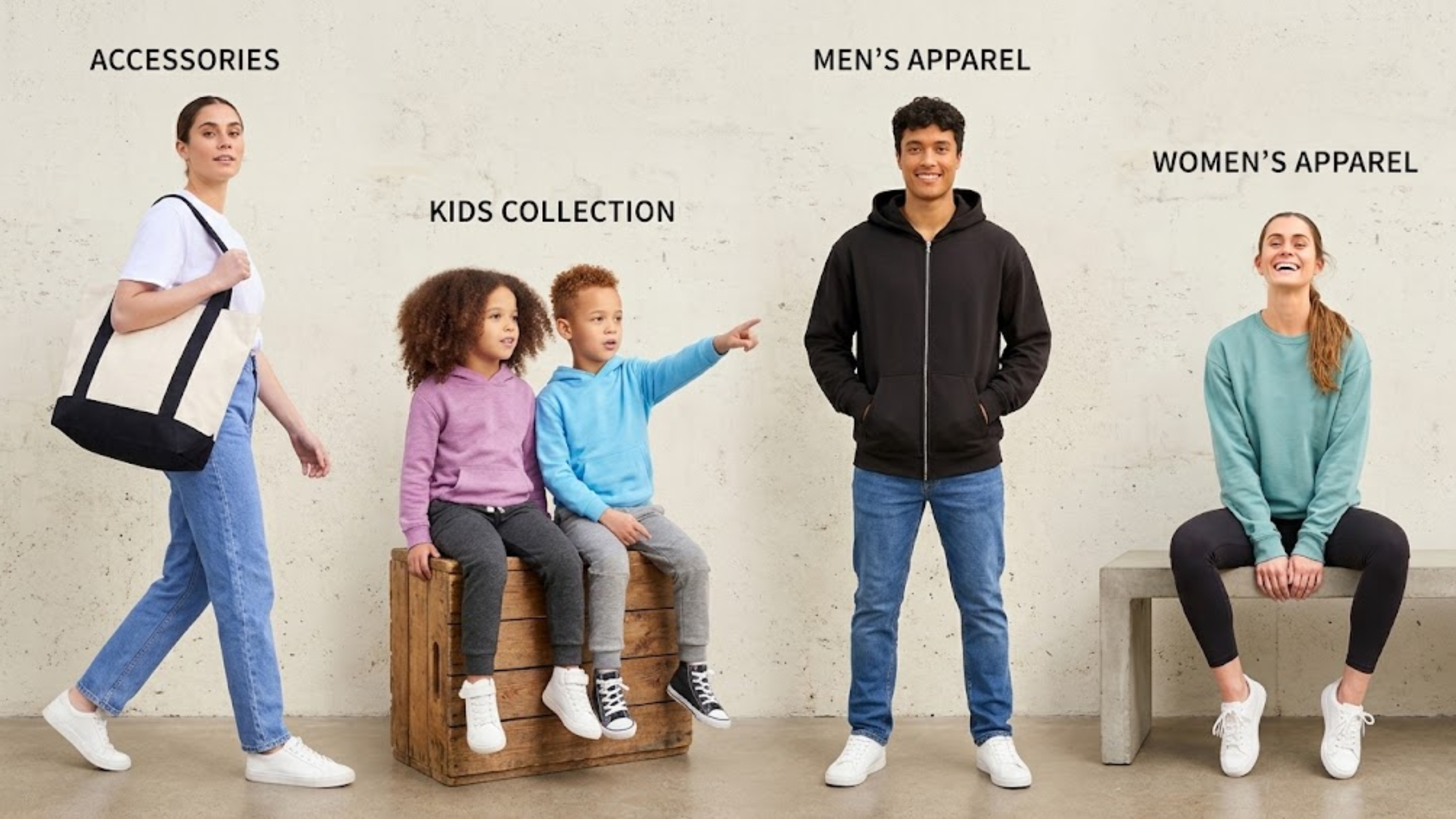
Discover how to choose sustainable clothing that balances quality, durability, affordability, and business needs. Explore fabric options, wholesale apparel, and responsible purchasing practices with Royal Apparel US.
Finding clothing that looks good, feels comfortable, and lasts can be challenging. Moreover, finding quality apparel becomes harder when you supply a growing business. Cheap garments may lose their shape, while premium options can strain your budget. Meanwhile, shoppers increasingly consider materials, manufacturing practices, and environmental impact before buying clothing. Therefore, choosing suitable apparel requires more than comparing prices. You need garments that balance quality, comfort, durability, and value. Additionally, businesses need reliable suppliers who meet their specific requirements. Fortunately, Royal Apparel US offers an option worth exploring when sourcing quality clothing. By comparing fabric quality, product options, and supplier reliability, you can make informed purchasing decisions. Furthermore, exploring Sustainable Clothing helps you evaluate materials and manufacturing practices. Whether you run a clothing brand or buy everyday essentials, the right approach matters.
Common Problems When Buying Quality Apparel
Clothing purchases often seem simple; however, problems can emerge after several washes. Therefore, understanding these issues helps you avoid unnecessary expenses.
1. Low-Quality Fabrics Wear Out Quickly
Some garments develop holes, fade, or stretch at the seams after repeated use. Consequently, inexpensive clothing can cost more over time. However, fabric quality, construction, and care instructions all affect garment durability. Therefore, check these details before buying to avoid disappointing purchases.
2. Wholesale Apparel Can Be Difficult to Compare
Businesses often purchase garments in bulk to reduce their per-unit costs. However, low wholesale prices do not always deliver good value. Different suppliers offer varying fabric weights, sizing standards, finishes, and minimum order quantities. Therefore, compare these factors instead of focusing only on initial prices. Additionally, inconsistent sizing can create problems for retailers and clothing brands. Consequently, customers may return garments that do not fit as expected.
3. Sustainable Clothing Claims Can Cause Confusion
Many shoppers seek clothing brands that follow more responsible production practices. However, shoppers may find sustainability claims difficult to evaluate. For example, some brands prioritize organic fibers, while others use recycled materials. Meanwhile, other brands focus on improving their manufacturing processes. Each approach addresses different environmental concerns. Therefore, buyers should examine specific product details instead of trusting vague marketing claims.
What Determines Apparel Quality and Value?
Several factors influence how clothing performs over time. Understanding them helps you select garments that meet your needs.
Fabric Composition and Construction
Different fabrics offer distinct benefits. For example, cotton provides breathability and softness, while polyester often improves durability and shape retention. Meanwhile, blended fabrics combine the properties of multiple fibers. However, your garment’s intended use determines the best fabric choice. Additionally, examine the stitching, seams, hems, and fabric thickness. Strong construction helps garments withstand regular wear and repeated washing.
Manufacturing Standards and Supplier Reliability
Reliable suppliers provide clear product specifications and consistent sizing information. Additionally, they explain order requirements and shipping policies. For businesses, these details support inventory planning and improve customer satisfaction. Moreover, a dependable supplier simplifies repeat purchasing. Before placing a large order, request samples whenever possible. Then, evaluate the fit, comfort, fabric quality, and finishing to ensure product consistency.
Environmental Considerations
Clothing production consumes resources and generates waste. Moreover, material choices, manufacturing methods, transportation, and garment lifespan affect environmental impact. Therefore, choose durable garments to reduce frequent replacements. Additionally, buy only what you need to limit unnecessary consumption. However, no single fabric automatically guarantees sustainability. Instead, review complete product information and available evidence before making purchasing decisions.
Practical Ways to Choose Better Clothing
You can make better purchasing decisions while maintaining comfort and affordability. First, identify your priorities and compare products carefully before making your final choice.
1. Define Your Intended Use
First, determine how you plan to use the garments. For example, everyday basics, uniforms, promotional merchandise, and retail collections require different features. Next, consider your specific needs. Businesses printing T-shirts may prioritize consistent sizing and fabrics that support printing. Meanwhile, outdoor workers may need durable materials that withstand frequent washing. Ultimately, defining your requirements helps you avoid paying for unnecessary features.
2. Compare Total Cost Instead of Sticker Price
A cheaper garment may need replacement sooner than a well-constructed alternative. Therefore, consider durability alongside the initial purchase price. For businesses, calculate the total cost per usable garment. Additionally, include shipping, customization, storage, and potential defects when relevant. This approach clarifies the overall value of each garment. Furthermore, it helps you compare wholesale suppliers more accurately.
3. Examine Sustainable Clothing Materials
First, check fiber composition and production practices for specific information. Additionally, review relevant certifications for evidence about the product. For example, the Global Organic Textile Standard addresses organic textile processing requirements. Meanwhile, OEKO-TEX certifications cover specific aspects of textile safety, depending on the certification. However, these certifications serve different purposes. Therefore, verify each certification’s actual scope before drawing conclusions. Finally, consider garment longevity, repairability, and responsible purchasing habits. Together, these factors support a more thoughtful clothing strategy.
4. Request Samples Before Placing Large Orders
Samples let you inspect garments before investing in substantial inventory. First, wash and wear each sample according to its intended use. Next, check whether the fabric shrinks, fades, or loses its shape. Also, examine the seams and compare measurements with the supplier’s size chart. For businesses, this process helps reduce avoidable ordering mistakes. Moreover, it establishes realistic expectations before you sell products to customers.
Exploring Royal Apparel US for Quality Clothing
Finding a supplier that meets your quality and purchasing goals requires research. Therefore, consider Royal Apparel US when comparing apparel for everyday wear or business needs. Before choosing a supplier, review its available garments, fabric compositions, sizing information, and ordering policies. These details help you determine whether its products suit your intended applications. If you need Wholesale Apparel, compare minimum order quantities and available styles. Additionally, evaluate customization options when planning to create branded merchandise. For Sustainable Clothing, examine each product’s materials and environmental claims. However, never assume every garment offers identical features or benefits. Finally, compare Royal Apparel US with other potential suppliers. Consider your budget, product requirements, and quality expectations before making your final decision.
Benefits of Choosing Apparel More Strategically
A thoughtful purchasing process offers advantages for individual shoppers and businesses alike.
Better Long-Term Value
Durable garments last longer and reduce how often you need replacements. Consequently, they can help you manage clothing expenses more effectively over time. For businesses, dependable product quality also helps improve customer satisfaction. Moreover, fewer product issues simplify inventory management and reduce unnecessary returns.
Greater Purchasing Consistency
Working with a reliable supplier can make repeat orders easier to manage. Additionally, consistent specifications help businesses maintain a uniform product range. This consistency matters when ordering uniforms, promotional shirts, or merchandise for ongoing sales.
More Informed Sustainability Decisions
Evaluating materials and production claims helps you avoid misleading assumptions. Additionally, it helps you prioritize improvements that align with your goals. For example, choose durable basics, reduce overordering, or select certified materials when appropriate. Ultimately, small purchasing decisions can support more responsible consumption.
Improved Customer Confidence
Businesses benefit when product descriptions clearly explain fabric composition, fit, and care requirements. As a result, customers better understand the products they purchase. Likewise, consistent product quality can encourage repeat purchases. However, businesses must consistently deliver the promised experience to maintain customer trust.
Conclusion: Make Smarter Apparel Choices for Lasting Value
Choosing better clothing involves more than finding the lowest available price. Instead, consider fabric quality, construction, supplier reliability, and environmental impact. First, define your needs and compare products using clear criteria. Next, request samples, verify specifications, and review purchasing policies before placing large orders. If you are exploring Royal Apparel US, evaluate its available products against your requirements. Additionally, compare fabric details, pricing, ordering terms, and relevant sustainability information before deciding. Whether you need everyday essentials or Wholesale Apparel for your business, informed choices improve long-term value. Furthermore, prioritize quality and research Sustainable Clothing options carefully. This approach helps you build a wardrobe or product range that better supports your goals.
live smarter
Shop smarter, live better, and stay ahead of the trends with our reliable recommendations!


Home and Garden
6 min read
How to Choose Stylish Kitchen Accessories That Make Everyday Living Easier

Fitness and Sports
7 min read
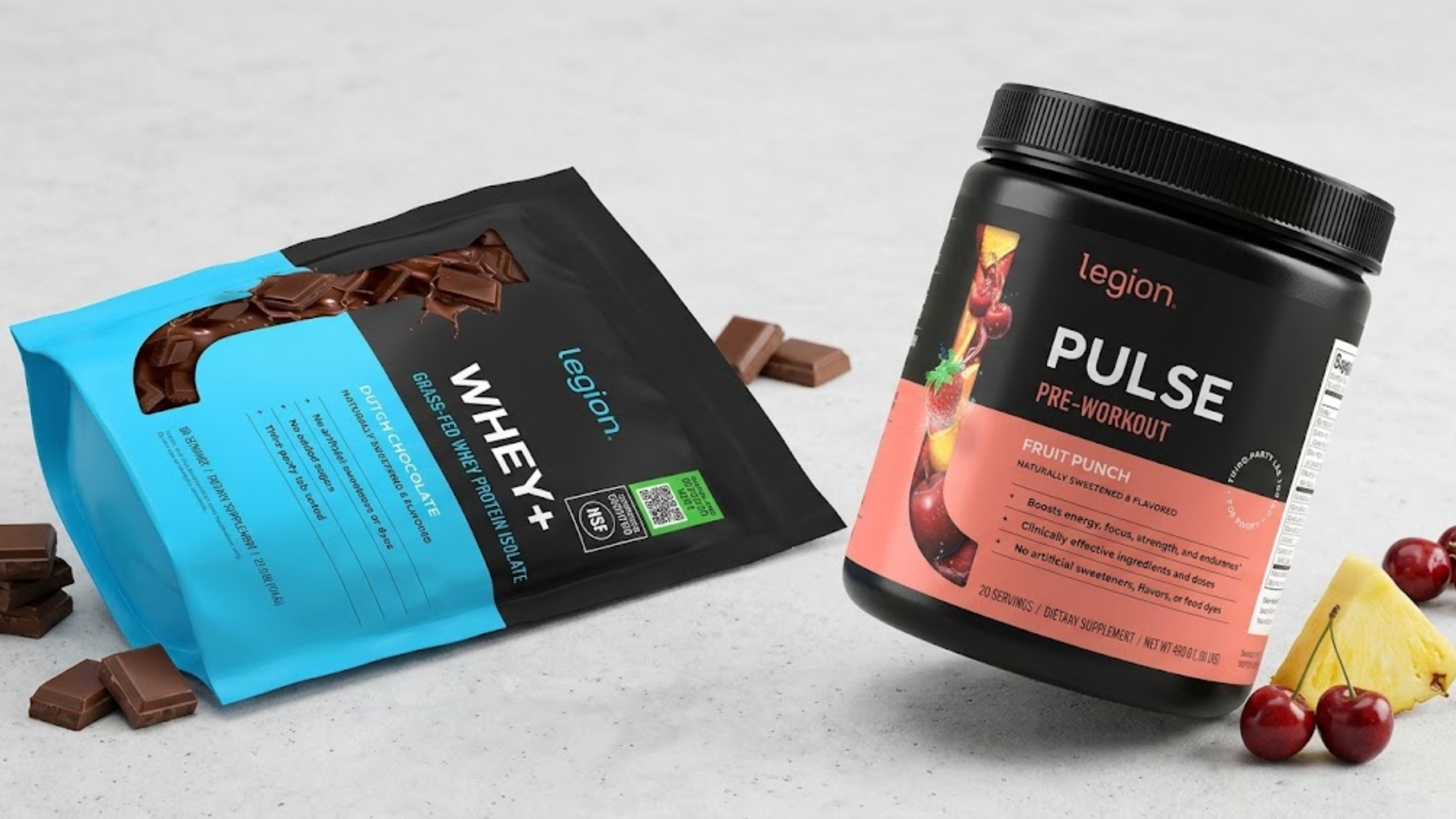
How to Improve Workout Performance With the Right Supplements and Nutrition

trending
Fitness and Sports
6 min read
How to Build a Sustainable Fitness Routine With Better Nutrition
Home and Garden
7 min read
How to Choose Comfortable Dining Chairs
Fashion
6 min read
How to Choose Everyday Jewelry and Track Your Online Orders
Gadgets and Tech
6 min read
How to Build the Perfect Sim Racing Setup for an Immersive Driving Experience
Travel
6 min read
How to Choose Premium Baby Strollers for Everyday Travel
Health and Beauty
6 min read
How to Choose the Best Baby Stroller for Your Family’s Lifestyle
N/A
7 min read